

June 3, 2026
Why Your Border Collie Isn't Bad, Just Bored
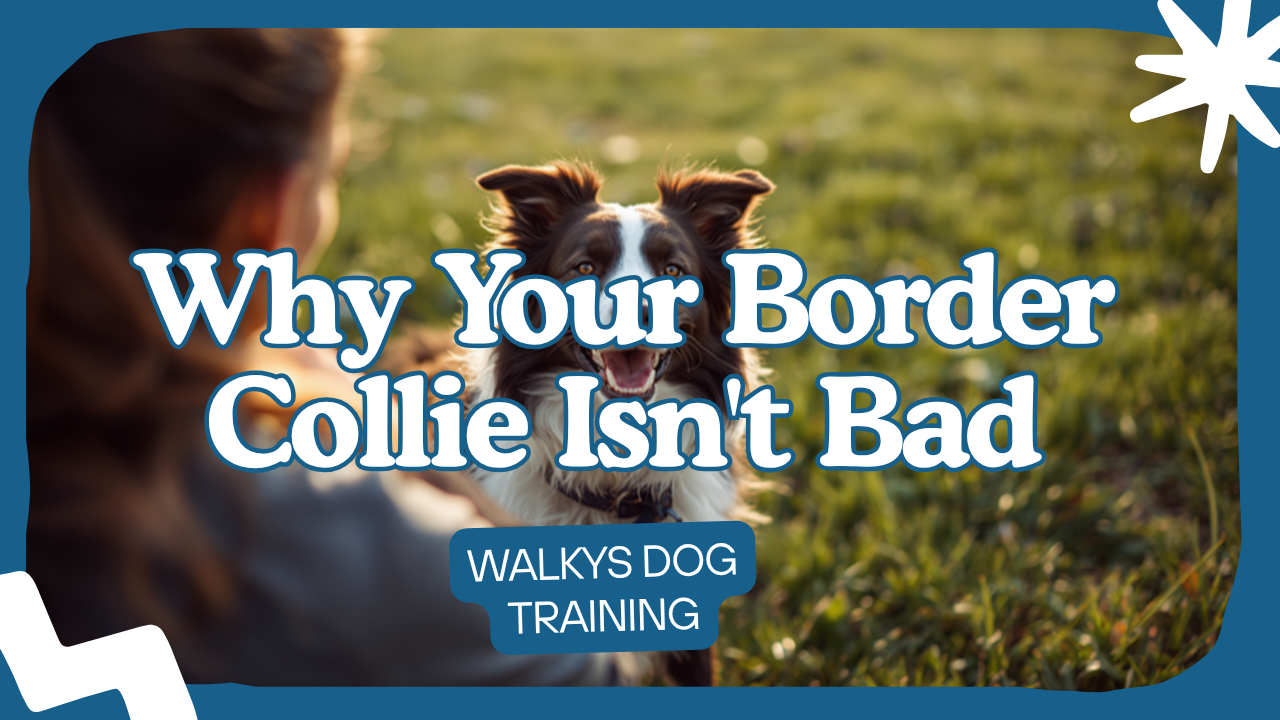
Your border collie isn't badly behaved. It's unemployed. The chewed skirting boards, the spinning, the barking at shadows on the wall: that's not a dog with a behaviour problem. That's a working dog with nothing to work.
We breed these dogs for generations to muster sheep across kilometres of paddock, then we ask them to lie quietly in a Brisbane townhouse and wonder why they fall apart. The dog is doing exactly what it was built to do. We just stopped giving it a job.
Why does my working breed go off the rails?
Every breed carries a genetic blueprint. Kelpies and collies were bred to think, problem-solve, and move stock all day. Spaniels were bred to flush and retrieve. Cattle dogs were bred to control livestock that kicks back.
That drive doesn't switch off because you live on a quarter-acre block. If you don't channel it, the dog channels it for you: herding the kids, nipping ankles, patrolling the fence line against every passing magpie.
Why won't more walks fix it?
This is the trap most owners fall into. The dog is wild, so you walk it further. But a fit working dog just gets fitter, and now you've built an athlete who needs even more to feel satisfied.
Physical exercise is one pillar of fulfilment, not the whole picture. A working breed needs mental work and a clear job far more than it needs another lap of the oval. A tired body still leaves a busy brain.
How do I actually fulfil a working dog?
Match the outlet to the instinct. A herding breed wants to control movement, so teach structured fetch with rules, or tug with a clear start and stop. A scent-driven breed wants to use its nose, so scatter feeds and search games pay off.
Then add structure. These dogs settle when they know the rules: where to be, when to switch off, what earns a reward. Without that, a clever dog invents its own jobs, and you won't like the ones it picks.
What to Try Today
Pick one ten-minute job that uses your dog's brain, not just its legs. Hide three portions of breakfast around the yard and send the dog to find them. Or run five reps of a sit, a short wait, then release to a thrown toy. Watch how much calmer the dog is for the next hour. That's the difference between a tired body and a satisfied mind.
Working breeds are some of the most rewarding dogs to own once their needs are met, but a chronically under-stimulated dog can tip into anxiety or reactivity that needs proper support. If that sounds like your dog, we can help. At Walkys Dog Training Academy we build fulfilment plans matched to your dog's breed and your real life, through 1:1 sessions and group programs. Book a session and give your dog the job it's been asking for.